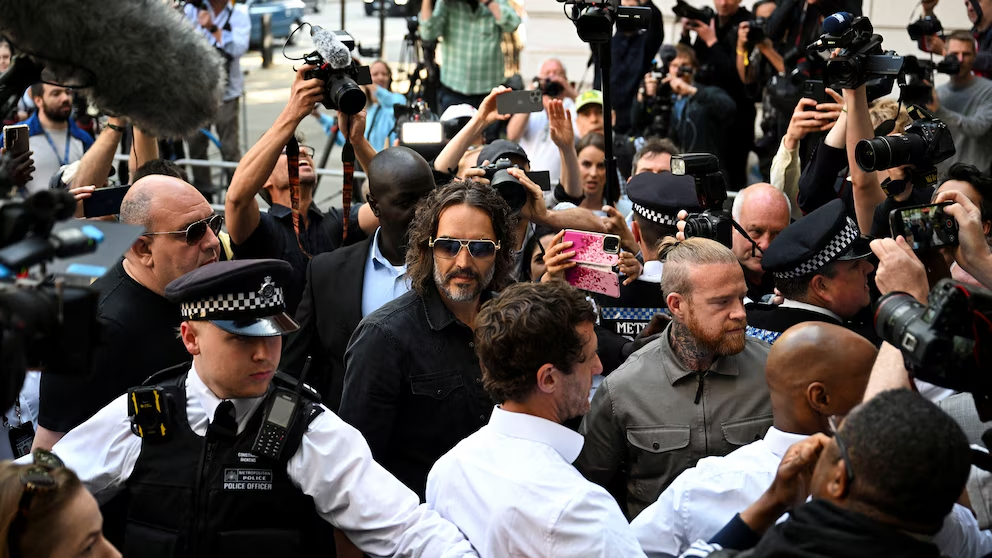
Russell Brand has been granted bail in London after a short virtual court appearance tied to additional allegations of rape and sexual assault. The headline is simple, but the story behind it is messy, high-stakes, and (depending on what happens next) could carry Prison consequences that would permanently reshape Russell Brand’s life and career.
What happened in court
Russell Brand appeared at Westminster Magistrates’ Court by video link from the U.S. and was granted bail after facing two further charges: one count of rape and one count of sexual assault. Reporting says the hearing was brief, and that Brand spoke only to confirm basic details like his name and date of birth.
The new charges are linked to allegations involving two women and are said to relate to incidents alleged to have taken place in 2009. These new counts stack on top of earlier charges that were announced in 2025, meaning Russell Brand is now facing a larger set of allegations that span multiple years.
What makes this moment feel so tense isn’t just the headline—it’s the “now what?” hanging over everything: bail today, court dates coming, and the very real question of whether this ends in a trial outcome that keeps Russell Brand free, or puts Russell Brand at risk of Prison time.
Why “Prison” is the word everyone’s circling?
Bail in the UK can be conditional or unconditional, and “conditional bail” usually means restrictions are placed on the defendant (for example, limits on contact or travel). Bail is not a declaration of innocence, and it’s not a declaration of guilt either—it’s basically the court saying the person doesn’t need to be held in custody right now while the case moves forward.
In Russell Brand’s case, at least some reporting notes that bail conditions were not detailed during the short hearing. That detail matters because the public always wants the “how free is free?” answer, especially when the defendant is famous and the stakes include the possibility of Prison if convictions happen later.
It’s also worth being blunt about why “Prison” dominates conversation online: sexual offence cases carry heavy penalties if someone is convicted, and people instinctively jump ahead to the end of the movie—trial, verdict, sentence, Prison. This is exactly where it’s important to stay accurate: at this stage, these are charges and allegations moving through the court system, not an outcome.
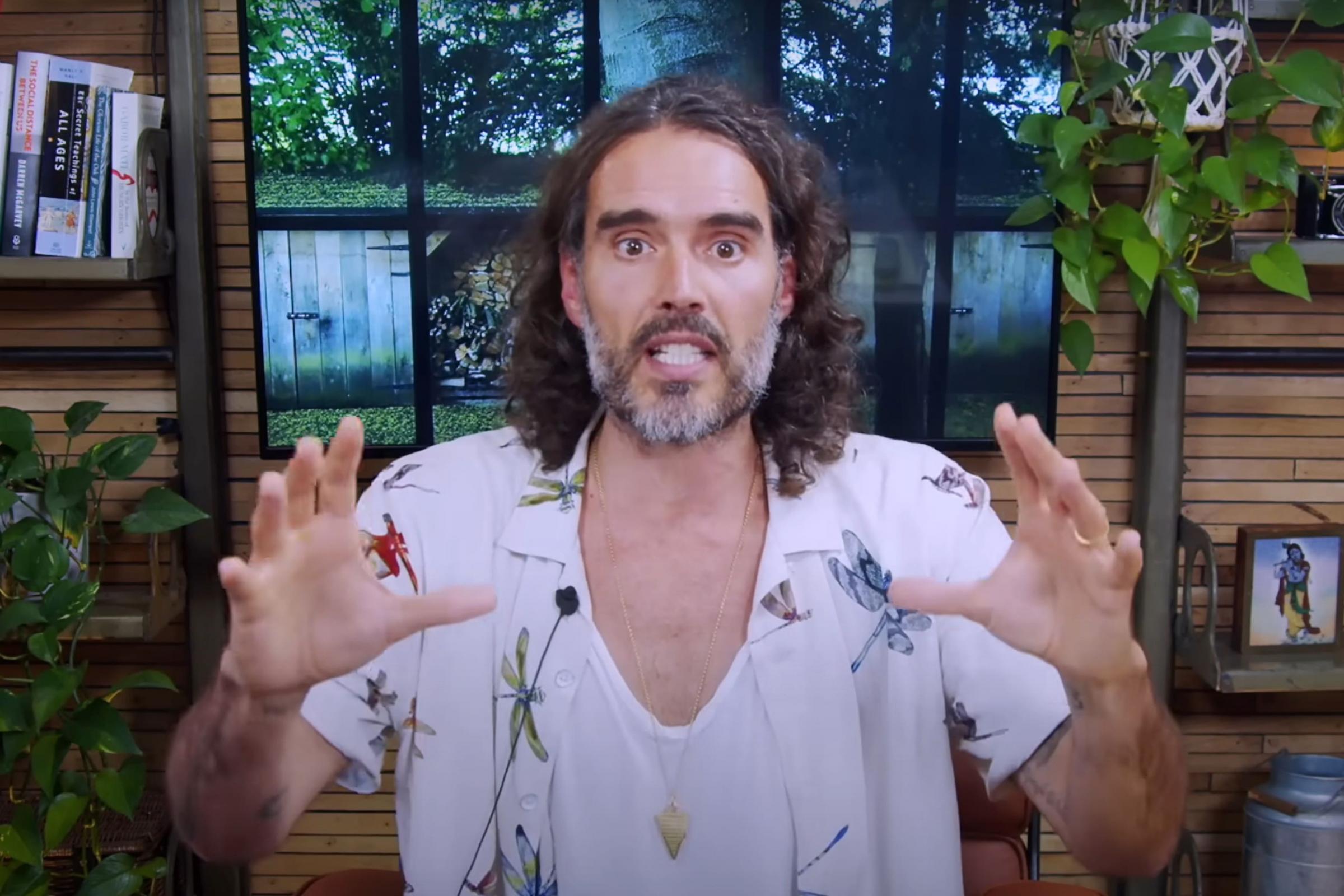
The bigger timeline and what’s next
Here’s the timeline that helps everything make sense without turning it into a conspiracy board on the wall.
- December 2025: London’s Metropolitan Police announced Russell Brand was charged with further offences—one count of rape and one count of sexual assault—relating to two additional women.
- January 2026: Russell Brand appeared at Westminster Magistrates’ Court via video link and was granted bail on those additional charges.
- February 17, 2026: Russell Brand is due to appear at Southwark Crown Court.
- June 2026: Reporting states a trial date is set in relation to the earlier set of charges (the original group of allegations).
The earlier charges (from 2025) include two counts of rape, one count of indecent assault, and two counts of sexual assault, involving four women and alleged incidents between 1999 and 2005. Russell Brand has denied allegations publicly and has pleaded not guilty to the earlier set of charges, according to reporting included in the document you provided and multiple outlets covering the case.
One extra wrinkle people keep arguing about is where Russell Brand is physically based, because it affects the vibe of “will he show up?” reporting says he appeared from the U.S. via video link. The document you uploaded also describes Russell Brand as living in the U.S. lately and being linked in reporting to the “MAGAsphere,” including attending events at current President Donald Trump’s Mar-a-Lago resort—an angle that predictably pours fuel on the “he’ll avoid court / he’ll be protected / he’ll run” debates.
To be clear: none of that proves anything about guilt or innocence. But it does explain why the word “Prison” keeps showing up in public reaction—because people assume a dramatic ending, and Russell Brand’s global-profile politics-and-culture persona makes everything louder.
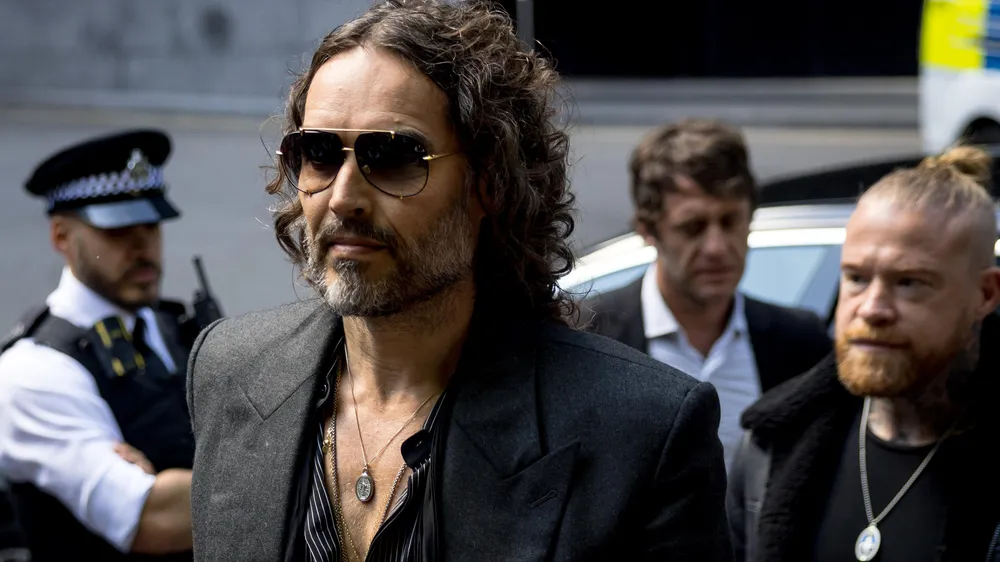
The internet reaction (Reddit + X)
Online reaction is split, and it’s split in a pretty predictable way: one side focuses on alleged victims and accountability; the other side focuses on due process, suspicion of media narratives, and political framing. That split shows up clearly on Reddit threads discussing the bail decision, where many commenters speculate about whether Russell Brand will stay in the U.S. rather than face UK court proceedings, while others push back on the idea that fame or politics should change anything about the legal process.
Some Reddit comments also lean hard into “what happens if he’s convicted?” language—people speculating about whether Russell Brand could end up in Prison, how sentencing could look, and whether the system treats high-profile defendants differently. At the same time, there are also commenters who explicitly caution against treating allegations like verdicts, which is a healthier instinct even when emotions run hot.
On X (Twitter), most of the high-visibility posts spreading fast are news-style accounts sharing the breaking update that Russell Brand was granted bail after a U.S. video link appearance, which then triggers the usual reply patterns: some people demanding Prison, some people dismissing the charges, and many people just reposting headlines without context. That “headline-sharing culture” is exactly why cases like this become so polarizing—most people are reacting to a single line (“granted bail”) rather than the timeline, the court steps, or what bail actually means.
What to watch for next
The next key date is Russell Brand’s scheduled appearance at Southwark Crown Court on February 17, which should clarify how the case proceeds on the newer charges. After that, attention will keep drifting back to the trial timing connected to the earlier allegations, because that’s where the “does he go to Prison?” question becomes real in a legal sense—only if there’s a conviction and sentencing.
A few practical “reality checks” help keep coverage fair and credible (and honestly, they also keep readers from feeling manipulated):
- “Granted bail” is not “case dismissed,” and it’s not “proof of innocence.”
- “Charged” is not “convicted,” and “alleged” needs to stay in the wording until a court decides otherwise.
- If Prison gets mentioned (and it will), it should be framed as a a potential consequence if convicted, not as a foregone conclusion.
For readers who want the fastest way to keep up without doom-scrolling: watch for official statements from the Metropolitan Police and straightforward court reporting that sticks to dates, charges, and procedure. Everything else -especially viral posts that promise secret explanations- usually adds heat, not light.